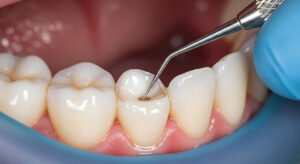
A cavity often begins without much warning. There may be no pain, no visible hole, and no obvious sign that a tooth is changing. Then one day, cold water causes a quick sting or a favorite snack suddenly makes one tooth sensitive. Catching decay before it grows larger can make treatment much simpler, and dental fillings are one of the most common ways to repair that damage while preserving as much of the natural tooth as possible.
At Wow Dental, general dentistry in Detroit includes tooth-colored fillings and restorations designed to blend with natural teeth while restoring strength and function. When decay is identified early enough, a filling can remove the damaged area, seal the tooth, and help prevent the cavity from spreading deeper.
What Are Dental Fillings?
Dental fillings are restorations used to repair areas of a tooth that have been damaged by decay, minor fractures, or wear. When a cavity forms, the weakened and decayed portion of the tooth is removed. The resulting space is then filled with a dental material that restores the shape and function of the tooth.
Modern dentistry offers tooth-colored filling materials that can closely match surrounding enamel. This allows the repaired area to blend into the smile rather than standing out as obvious dental work.
A filling is usually most effective when the damage is limited enough that the tooth still has plenty of healthy structure. Larger areas of damage may require a stronger restoration such as an inlay, onlay, or dental crown.
How Cavities Develop
Cavities begin when bacteria in dental plaque interact with sugars and carbohydrates from food and drinks. These bacteria produce acids that weaken the enamel, which is the hard outer surface of the tooth.
At first, enamel may lose minerals without developing a physical opening. Good oral hygiene, fluoride, and dietary changes can sometimes help support enamel during these very early stages. Once enough tooth structure has been lost to create a true cavity, however, the damaged area generally needs to be repaired.
Without treatment, decay can continue moving inward. It may eventually reach the softer dentin layer beneath the enamel and, in advanced cases, the nerve tissue inside the tooth.
This is why early detection matters. A small cavity may need only a conservative filling. A much deeper cavity may require a crown, root canal treatment, or even extraction if the tooth becomes severely damaged.
Signs You May Need a Filling
Some cavities cause symptoms, while others are discovered during routine dental exams. Patients should pay attention to changes such as:
- Sensitivity to cold drinks or foods
- Sensitivity to sweets
- Pain when biting on a specific tooth
- A rough area that catches the tongue
- Food becoming trapped repeatedly in the same location
- A visible dark spot or small opening in a tooth
- A chipped or worn area that feels different than surrounding enamel
Not every sensitive tooth has a cavity, which is why an examination is important. Sensitivity can also be associated with gum recession, grinding, cracks, or other conditions.
What Happens During a Dental Filling Appointment?
For many patients, receiving a filling is much more straightforward than they expect. The treatment begins by making sure the tooth is comfortable. Local anesthesia may be used so the damaged area can be treated without pain.
The decayed portion of the tooth is removed carefully while preserving healthy structure whenever possible. The area is then cleaned and prepared for the filling material.
With a tooth-colored composite filling, the material is placed in layers and shaped to rebuild the natural form of the tooth. A curing light is used to harden the material. Once the filling is secure, the dentist checks the bite and polishes the restoration so it feels smooth.
The goal is not simply to fill a hole. A well-designed filling should restore the tooth’s contour, protect the damaged area, and allow the tooth to function comfortably again.
Why Tooth-Colored Fillings Are Popular
One of the major advantages of modern dental fillings is appearance. Composite materials can be selected to closely match the shade of the natural tooth, making the finished restoration less noticeable.
Tooth-colored materials also bond directly to prepared tooth structure. This allows dentists to restore many cavities while taking a conservative approach to healthy enamel.
Patients often appreciate that fillings can restore both function and appearance during the same procedure. This is especially important for cavities that appear in visible parts of the smile.
How Long Do Dental Fillings Last?
Dental fillings are durable, but no restoration should be considered permanent. How long a filling lasts depends on several factors, including its size, location, bite pressure, oral hygiene, diet, and whether the patient grinds or clenches the teeth.
A small filling that is kept clean and protected from excessive force may serve the tooth for many years. Larger fillings usually experience more pressure because they replace more natural structure.
Routine dental examinations allow older fillings to be checked for wear, cracks, gaps, or decay around their edges. Finding a worn restoration before it fails completely can make replacement easier.
Can a Filling Prevent the Need for a Root Canal?
Early cavity treatment can sometimes prevent decay from reaching the nerve, which is one reason fillings are so valuable. If a cavity is treated while it is still limited to the outer layers of the tooth, removing the decay and sealing the area may protect the inner pulp.
However, a filling cannot reverse nerve damage that has already occurred. If decay has reached the pulp and caused significant inflammation or infection, root canal treatment may be necessary.
The best opportunity for conservative treatment usually comes from finding the cavity early.
Benefits of “dental fillings”
- Repair teeth damaged by cavities and minor structural loss
- Help stop decay from progressing deeper into the tooth
- Restore comfortable chewing and normal tooth shape
- Allow healthy tooth structure to be preserved whenever possible
- Can be made from tooth-colored material that blends with natural enamel
- Help reduce sensitivity caused by exposed damaged areas
- Can prevent a small cavity from becoming a more complex dental problem
- Provide a practical and common restorative solution for adults and children
How to Protect a New Filling
Daily care makes a major difference in how well a restored tooth holds up over time. Brushing twice each day with fluoride toothpaste helps remove plaque around the filling and the rest of the tooth. Flossing helps clean the spaces between teeth where cavities often begin.
Patients should also avoid using teeth as tools or repeatedly chewing very hard objects such as ice. These habits can damage both natural enamel and restorations.
If the bite feels unusually high after treatment, the dental office should be contacted. A filling that receives too much pressure may feel sore when chewing and can often be corrected with a simple adjustment.
When a Filling Is Not Enough
Sometimes a tooth has lost too much structure to be restored predictably with a filling. A very large filling can leave the remaining cusps of a tooth vulnerable to fracture. In these situations, a dental crown may provide better protection by covering and supporting the weakened tooth.
The goal is always to choose a restoration appropriate for the amount of healthy tooth that remains. Using a filling where a crown is needed may not provide enough strength, while placing a crown on a tooth that needs only a small repair may remove more structure than necessary.
Frequently Asked Questions About Dental Fillings
Do dental fillings hurt?
The tooth can be numbed before treatment, which helps keep the procedure comfortable. Mild sensitivity afterward can occur but generally improves.
Can a cavity come back under a filling?
Yes. The filling material itself does not decay, but the natural tooth around its edges can develop new decay if plaque collects there.
Can tooth-colored fillings be used on back teeth?
Tooth-colored fillings can be used for many back-tooth cavities. The size and location of the damaged area help determine whether a filling or stronger restoration is more appropriate.
How do I know if an old filling needs replacement?
Wear, cracking, sensitivity, food trapping, or decay around the edges may indicate that a filling needs attention. Routine exams help monitor older restorations.
A Small Repair Today Can Protect More of Your Natural Tooth
A cavity does not need to become painful before it deserves attention. Dental fillings allow many small and moderate areas of decay to be repaired while preserving healthy tooth structure. By restoring the damaged area early, patients may be able to avoid larger and more involved procedures later.
If you have tooth sensitivity, suspect a cavity, or are due for an examination, contact Wow Dental at 313-371-9880 to schedule a consultation or book an appointment. Patients can visit 22341 Eight Mile W Suite 200, Detroit, MI 48219 or 18525 Moross Rd, Detroit, Michigan, 48224 for comfortable restorative dental care.