Some dental problems arrive quietly. Others make themselves known with pressure, swelling, or a soreness that keeps coming back in the same spot. Wisdom teeth often fall into that second group. They may erupt at odd angles, run out of room, trap food, or create repeated irritation in the back of the mouth. When that happens, the question is not just whether they are present, but whether they are creating more trouble than they are worth. In many cases, careful **wisdom tooth removal** can protect comfort, reduce future complications, and keep the rest of the smile healthier.
At Wow Dental, patients considering tooth extractions in Detroit often want clear answers about what is happening, why removal may be recommended, and what recovery actually feels like. Wisdom tooth removal can sound intimidating, but when the process is explained well and planned carefully, it often feels much more manageable than expected.
What Wisdom Teeth Are and Why They Cause Problems
Wisdom teeth are the last set of molars to develop, usually appearing in the late teenage years or early adulthood. Some come in without causing major issues, but many do not have enough room to erupt properly. When space is limited, they may grow sideways, remain partially trapped under the gums, or push against neighboring teeth.
That is where trouble often starts. A partially erupted wisdom tooth can create a pocket where food and bacteria collect easily. This can lead to swelling, bad taste, tenderness, and repeated infection around the area. If the tooth is pressing into the one next to it, it may also contribute to damage, decay, or crowding concerns.
Because of these patterns, wisdom teeth are often monitored closely and removed when they begin to threaten surrounding teeth or create repeated discomfort.
Signs Wisdom Tooth Removal May Be Needed
Not every wisdom tooth needs to come out immediately, but several signs often point to the need for evaluation. These include pain at the back of the mouth, swelling in the gums, difficulty chewing on one side, tenderness near the jaw, or repeated infections around a partially erupted tooth.
Other warning signs may include:
- Pressure or aching near the back molars
- Jaw stiffness
- Gums that feel inflamed behind the last regular tooth
- Food frequently getting trapped in the area
- Repeated episodes of discomfort that come and go
- Difficulty keeping the area clean
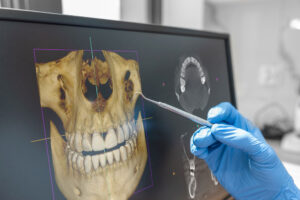
Sometimes wisdom teeth are removed even before major symptoms develop. This can happen when imaging shows that the teeth are impacted or are likely to create problems in the future. In those cases, early removal may help prevent more complicated issues later.
Why Early Evaluation Matters
One of the most useful things about early wisdom tooth evaluation is that it allows planning before the problem becomes urgent. When a wisdom tooth becomes infected or very painful, treatment often feels more stressful because the patient is already uncomfortable. Evaluating the teeth ahead of time gives the dentist a chance to see how the teeth are positioned and whether removal is likely to be the healthiest choice.
Early treatment can also be simpler in some cases. Younger patients often heal more quickly, and the roots of the wisdom teeth may be less developed. This does not mean older patients cannot do well, they absolutely can, but it does show why timing is worth discussing rather than waiting until a problem becomes severe.
What Wisdom Tooth Removal Involves
The exact process depends on how the wisdom teeth are positioned. Some are fully visible and easier to remove. Others are impacted under the gums or bone and require a more involved surgical approach. In both cases, the goal is the same, remove the tooth carefully and protect the surrounding area.
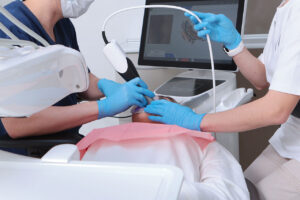
During **wisdom tooth removal**, the area is numbed thoroughly so treatment can be completed as comfortably as possible. If the tooth is impacted, the dentist may need to gently access it through the gum and remove it in sections. This makes the extraction more controlled and helps reduce stress on the surrounding tissues.
After the tooth is removed, the area is cleaned and protected so healing can begin. Patients receive instructions about foods, cleaning, and how to manage swelling or soreness in the days ahead.
What Recovery Usually Feels Like
Recovery after wisdom tooth removal is often smoother than patients expect, especially when instructions are followed carefully. Some swelling, tenderness, and limited jaw opening are normal for the first few days. These effects usually improve gradually with rest, cold compresses, soft foods, and appropriate pain management.
Patients are generally advised to avoid straws, smoking, vigorous rinsing, and very hard or crunchy foods early in recovery. These precautions help protect the blood clot and lower the risk of dry socket, which can occur if healing is disrupted.
Soft foods such as yogurt, mashed potatoes, eggs, soup, and smoothies are often recommended early on. As healing improves, normal foods are reintroduced gradually.
Why Wisdom Tooth Removal Can Protect More Than the Back of the Mouth
It is easy to think of wisdom tooth removal as a simple back-tooth issue, but its benefits often extend beyond that area. Removing problematic wisdom teeth can reduce repeated gum infections, protect the neighboring molars, and make the back of the mouth easier to clean. It can also reduce the chance of ongoing irritation that distracts from everyday comfort.
For patients who have already noticed crowding or bite pressure near the back of the mouth, removal may also help reduce some of that strain. The sooner a troubling wisdom tooth is addressed, the more likely it is that surrounding teeth can stay protected from further damage.
Benefits of “wisdom tooth removal”
- Helps reduce repeated pain and gum irritation at the back of the mouth
- Protects nearby molars from pressure, decay, and damage
- Makes the back of the mouth easier to keep clean
- Can lower the risk of infection around partially erupted wisdom teeth
- May prevent future complications before they become urgent
- Supports a healthier, more comfortable bite over time
- Can improve daily comfort during eating and brushing
When Waiting Can Make Things Harder
Sometimes patients choose to wait because the symptoms come and go. That can be understandable, but intermittent symptoms can still point to a tooth that is becoming a repeated source of inflammation. Waiting too long can increase the chance of infection, swelling, or damage to the tooth next to the wisdom tooth.
That does not mean every wisdom tooth needs immediate removal. It means the smartest approach is an evaluation based on real findings rather than guesswork. Knowing whether the tooth is healthy, impacted, or creating hidden pressure allows for better decisions and fewer surprises.
A Smarter Choice Can Mean Less Trouble Later
Wisdom teeth do not always cause problems, but when they do, they tend to make their presence known in ways that are hard to ignore. **Wisdom tooth removal** can be a preventive choice, a comfort-driven choice, or both. It can protect the teeth nearby, reduce repeated inflammation, and make it easier to keep the mouth healthy for the long term.
If you are dealing with pressure, swelling, or repeated soreness near the back of the mouth, contact Wow Dental at 313-371-9880 to schedule a consultation. You can also visit Wow Dental at 22341 Eight Mile W Suite 200, Detroit, MI 48219, or 18525 Moross Rd, Detroit, Michigan, 48224, to book an appointment and find out whether wisdom tooth removal is the right step for your smile.